The Complete Guide to CNC Machining: Processes, Materials, Applications, and Advantages
Introduction
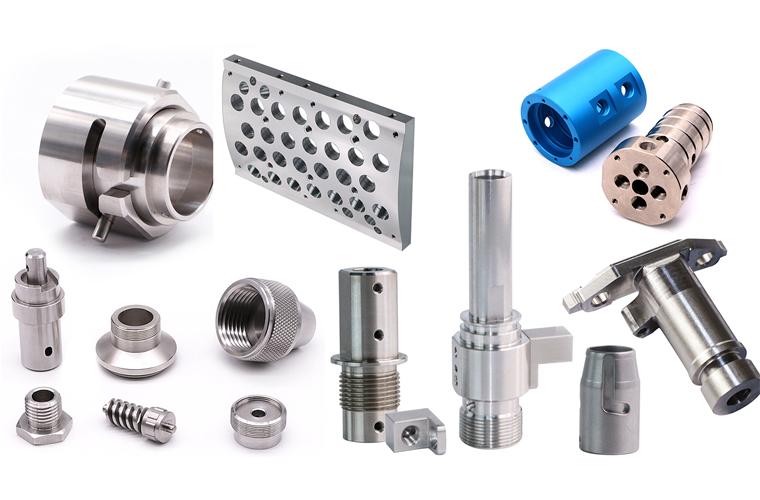
CNC machining, short for Computer Numerical Control machining, is one of the most widely used manufacturing processes in modern industry. From aerospace components to consumer electronics, CNC machining plays a crucial role in producing high-precision parts with excellent consistency and efficiency.
In this comprehensive guide, we will explore everything you need to know about CNC machining — including how it works, different types of processes, materials, applications, advantages, limitations, and how to choose the right CNC machining partner.
What is CNC Machining?


CNC machining is a subtractive manufacturing process where pre-programmed computer software dictates the movement of factory tools and machinery. The process removes material from a solid block (known as a workpiece) to create a finished part.
Unlike manual machining, CNC machining is fully automated, allowing for extremely high precision, repeatability, and efficiency.
Key Characteristics:
- Computer-controlled automation
- High precision (±0.001 mm possible)
- Repeatable mass production
- Suitable for complex geometries
- Wide material compatibility
How CNC Machining Works
The CNC machining process typically follows these steps:
1. CAD Design
Engineers create a 3D model using CAD (Computer-Aided Design) software.
2. CAM Programming
The CAD file is converted into machine instructions (G-code) using CAM software.
3. Machine Setup
Operators set up the machine, install tools, and secure the workpiece.
4. Machining Process
The CNC machine executes the programmed instructions to cut, drill, mill, or turn the material.
5. Finishing
Additional processes such as polishing, anodizing, or coating may be applied.
Types of CNC Machining Processes


1. CNC Milling
- Uses rotating cutting tools
- Ideal for complex shapes and surfaces
- Supports multi-axis machining (3-axis, 4-axis, 5-axis)
2. CNC Turning
- Workpiece rotates while tool cuts
- Best for cylindrical parts
- High efficiency for shafts and tubes
3. CNC Drilling
- Creates precise holes
- Often combined with milling or turning
4. Multi-Axis Machining
- Advanced 4-axis and 5-axis machines
- Allows complex geometries in a single setup
- Reduces production time and improves accuracy
Common Materials Used in CNC Machining


CNC machining supports a wide range of materials:
Metals:
- Aluminum (lightweight, easy to machine)
- Stainless Steel (strong, corrosion-resistant)
- Brass (excellent machinability)
- Titanium (high strength, aerospace-grade)
Plastics:
- ABS
- Nylon
- POM (Delrin)
- Polycarbonate
Specialty Materials:
- Composites
- Engineering plastics
- High-temperature alloys
Applications of CNC Machining


CNC machining is widely used across multiple industries:
Aerospace
- Engine components
- Structural parts
- High-precision assemblies
Automotive
- Engine blocks
- Transmission parts
- Custom performance components
Medical
- Surgical instruments
- Implants
- Diagnostic equipment
Electronics
- Enclosures
- Heat sinks
- Connectors
Industrial Equipment
- Custom machinery parts
- Tooling and fixtures
Advantages of CNC Machining
1. High Precision and Accuracy
CNC machines can achieve extremely tight tolerances, making them ideal for critical applications.
2. Excellent Repeatability
Once programmed, machines can produce identical parts consistently.
3. Wide Material Compatibility
Supports metals, plastics, and composites.
4. Scalability
Suitable for both prototyping and mass production.
5. Reduced Human Error
Automation minimizes mistakes and improves efficiency.
Limitations of CNC Machining
While CNC machining offers many benefits, it also has some limitations:
- Higher initial setup cost
- Material waste (subtractive process)
- Limited for extremely complex internal geometries
- Requires skilled programming
CNC Machining vs Other Manufacturing Methods
| Method | Advantages | Limitations |
|---|---|---|
| CNC Machining | High precision, strong parts | Material waste |
| 3D Printing | Complex geometries | Lower strength |
| Injection Molding | Low cost for mass production | High tooling cost |
Surface Finishing Options
After machining, parts can undergo finishing processes:
- Anodizing
- Powder coating
- Sandblasting
- Polishing
- Plating
These enhance appearance, corrosion resistance, and durability.
How to Choose a CNC Machining Supplier
Choosing the right partner is critical for your project success.
Key Factors to Consider:
- Experience and expertise
- Available equipment (3-axis vs 5-axis)
- Material capabilities
- Quality control system (ISO certification)
- Lead time and pricing
- Communication and support
CNC Machining Trends in 2026
The CNC industry continues to evolve with new technologies:
- AI-assisted machining optimization
- Smart factories (Industry 4.0)
- Hybrid manufacturing (CNC + 3D printing)
- Increased automation and robotics
Conclusion
CNC machining remains one of the most reliable and versatile manufacturing methods available today. Its ability to produce high-precision, durable parts across a wide range of materials makes it indispensable in modern manufacturing.
Whether you are developing a prototype or scaling up production, CNC machining provides the flexibility, accuracy, and efficiency needed to bring your ideas to life.
Contact Us
If you are looking for professional CNC machining services, feel free to contact us:
🌐 Website: www.strumetfab.com
📧 Email: info@strumetfab.com
📞 WhatsApp: +86-18662635782